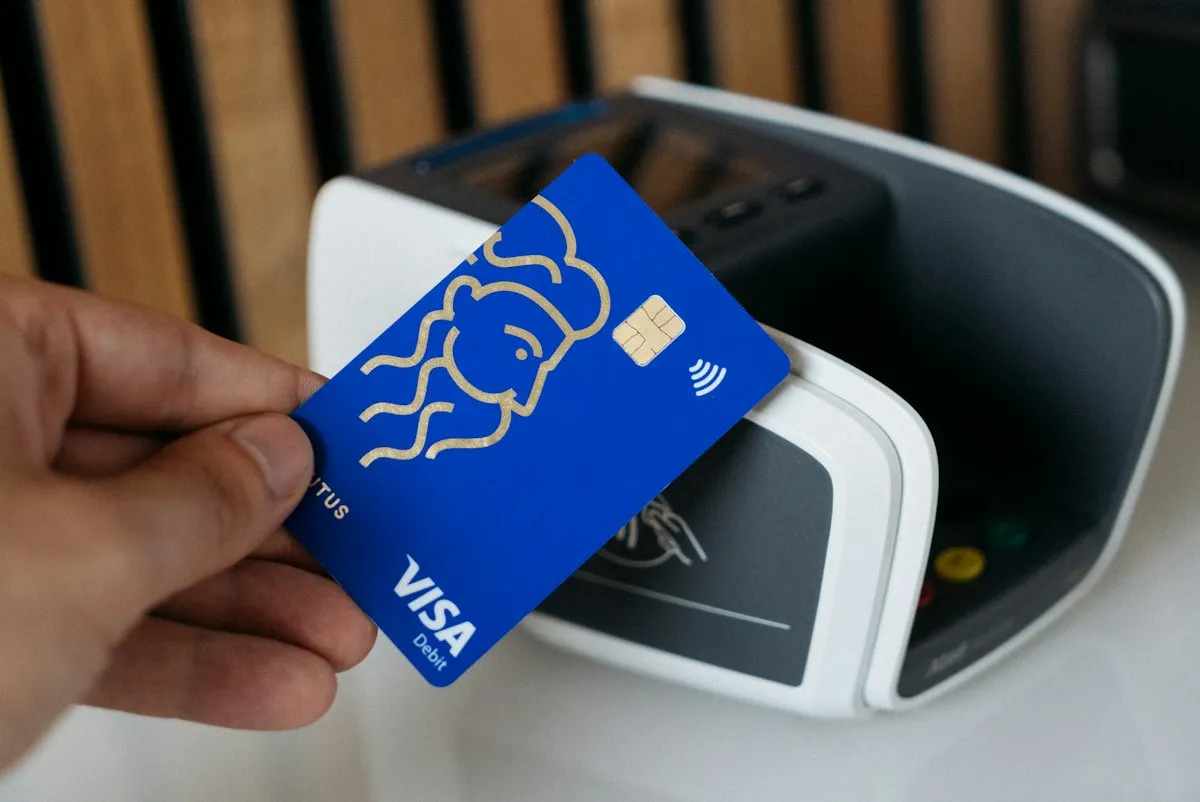
If you've tried to rent an apartment in Germany, you've probably heard the word Schufa. Landlords ask for it. Banks check it. Even your mobile phone provider cares about it. But what exactly is Schufa, and why does it have so much power over your financial life?
What Is the Schufa?
Schufa (short for Schutzgemeinschaft für allgemeine Kreditsicherung) is Germany's largest credit reporting agency. Think of it as Germany's equivalent of Experian, Equifax, or TransUnion — but with one key difference: Schufa is essentially the only credit bureau that matters in Germany [1].
Founded in 1927, Schufa is a private company that collects financial data on roughly 68 million people in Germany. It stores over 900 million data points and processes about 165 million queries per year — Schufa's most recently reported figures [2].
Schufa at a Glance
How Does the Schufa Score Work?
Your Schufa score is a number between 0 and 100, where higher is better. It represents the statistical probability that you'll pay your bills. A score above 97.5% is considered excellent.
| Score Range | Rating | What It Means |
|---|---|---|
| 97.5% – 100% | Excellent | Best interest rates, easy approvals |
| 95% – 97.4% | Good | Most applications approved without issues |
| 90% – 94.9% | Satisfactory | Some lenders may hesitate or offer worse terms |
| 80% – 89.9% | Elevated risk | Difficulty getting loans or rental contracts |
| Below 80% | High risk | Most applications will be rejected |
What Data Does Schufa Collect?
Schufa doesn't know everything about you — but it knows a lot about your financial behavior:
- Bank accounts — When you opened them, at which bank
- Credit cards — Limits and payment history
- Loans — Amounts, repayment behavior, any defaults
- Phone contracts — Yes, even your mobile plan
- Mail-order purchases — Buy-now-pay-later activity
- Public records — Debt collection proceedings, personal insolvency
What Schufa does NOT collect: your income, savings, employment status, religion, or nationality [3].
How a Schufa Query Works
Note: There are two query types — Konditionsanfrage (soft check, no impact) and Kreditanfrage (hard check, temporarily lowers your score)
The Schufa Problem for Expats
Here's the catch: if you're new to Germany, you likely have no Schufa history at all. And no history is almost as bad as a bad history.
Without a Schufa record, you may struggle to:
- Rent an apartment — Landlords routinely demand a Schufa-Auskunft (Schufa report)
- Get a mobile phone contract — Providers check Schufa before signing you up
- Open certain bank accounts — Some banks require a positive Schufa entry
- Take out a loan or mortgage — Impossible without a Schufa track record
How to Build Your Schufa Score as a New Expat
- Open a German bank account — This creates your first Schufa entry. Banks like N26, ING, or Commerzbank all report to Schufa.
- Get a postpaid phone contract — A monthly mobile plan (not prepaid) gets reported and builds history.
- Pay everything on time — This sounds obvious, but even one missed payment can drop your score significantly.
- Avoid too many hard inquiries — Shopping around for loans is fine, but use Konditionsanfragen (condition inquiries) which don't affect your score, not Kreditanfragen (credit inquiries) which do.
How to Check Your Schufa Score
Under GDPR (Article 15), you're entitled to a free copy of your data once per year. Schufa calls this the Datenkopie nach Art. 15 DS-GVO.
You can request it at meineschufa.de — look for the free option (they'll try to upsell you on paid subscriptions). The free report shows all stored data and your score [4].
Tip: For apartment applications, landlords usually want the Schufa-BonitätsAuskunft (paid, around €30 as of 2026), which is a shorter, more presentable certificate that doesn't reveal all your financial details. It only confirms your creditworthiness.
OpenSchufa: The Fight for Transparency
The biggest criticism of Schufa? Nobody knows exactly how the score is calculated. The algorithm is a trade secret.
In 2018, the nonprofit organizations Open Knowledge Foundation and AlgorithmWatch launched the OpenSchufa project — a crowdsourced effort to reverse-engineer the Schufa algorithm. They asked people across Germany to donate their Schufa data so researchers could analyze patterns and detect potential biases [5].
What OpenSchufa Found
The campaign collected data from over 4,000 volunteers. The findings, published in cooperation with Spiegel Online and Bayerischer Rundfunk, revealed several concerning patterns [6]:
- Lack of transparency — Even with the donated data, the exact scoring formula couldn't be fully reconstructed. The algorithm considers hundreds of variables in non-obvious ways.
- Potential age and gender bias — Statistical patterns suggested that younger people and people who moved frequently (common for expats) tended to have lower scores, regardless of actual payment behavior.
- Errors in data — A significant number of participants found incorrect entries in their Schufa files — outdated debts, wrong addresses, or accounts that had been closed years ago.
- Disproportionate impact — A single negative entry (even a disputed one) could tank an otherwise excellent score.
The Legal Landscape
In December 2023, the European Court of Justice ruled that automated credit scoring (like Schufa's) constitutes automated decision-making under GDPR, and that individuals have the right to understand how such decisions are made [7]. This was a landmark ruling that could force Schufa to become more transparent about its algorithm.
Schufa has since made small changes — for example, it no longer stores data on paid-off debts for three years (reduced from the previous practice) [8]. But the core algorithm remains opaque.
Practical Tips for Expats
The Bottom Line
Schufa is a powerful gatekeeper in German financial life — and as an expat, understanding how it works gives you a real advantage. Build your credit history early, check your data regularly, and don't let a missing Schufa report stop you from getting the apartment or loan you deserve.
The system isn't perfect — the OpenSchufa project and the EU court ruling have shown that. But until it changes, knowing the rules of the game is the best strategy.
Navigating the German financial system as an expat can be overwhelming. Our advisors understand the unique challenges you face — from building your Schufa history to finding the right insurance and investment products. Book a free consultation to get personalized guidance.
Sources
- Schufa official website (English)
- Schufa company overview
- Schufa data overview — what data is stored
- MeineSchufa — request your free data copy
- OpenSchufa project
- Spiegel Online — How Germany's most influential credit agency works
- ECJ ruling on automated credit scoring (Case C-634/21)
- Schufa — recent changes to data retention