A German bank account (Girokonto) is one of the first things you need when you move to Germany. You can't rent an apartment, receive a salary, or pay for health insurance without one. In theory, opening an account is straightforward. In practice, many expats — especially those from non-EU countries or without a Schufa history — hit walls they didn't expect.
Let's be direct: some banks make it unnecessarily difficult for people who don't fit their default customer profile. This article explains what you're dealing with, which banks actually work for expats, and what your legal rights are.
What You Need (in Theory)
The legal requirements for opening a basic bank account in Germany are minimal:
- A valid passport or national ID card
- Proof of address in Germany (Meldebescheinigung — your city registration confirmation)
- A German tax ID (Steuerliche Identifikationsnummer) — automatically mailed to you after registration, but can take 2–4 weeks
That's it. No Schufa score required, no employment contract, no minimum deposit. Under EU law and German banking regulation, every person legally residing in Germany has the right to a basic payment account [1].
What Actually Happens
Here's what many expats experience in reality:
- Branch staff asking for documents that aren't legally required — proof of employment, a letter from your employer, or a minimum income threshold
- Applications rejected without clear explanation — especially at traditional banks like Sparkasse, Volksbank, or Commerzbank
- Schufa checks blocking account opening — even though a basic account (Basiskonto) cannot legally be refused based on Schufa
- Language barriers — some branch employees refuse to serve customers in English or any other language
- Different treatment depending on appearance or name — this is the hardest to prove, but it's a reality many expats of color, Middle Eastern, or African origin face regularly
The Basiskonto: Your Legal Right
Since 2016, every person legally residing in Germany — including asylum seekers — has the legal right to a Basiskonto (basic payment account). Banks can only refuse this in very limited circumstances (e.g., you already have an account elsewhere).
If a bank refuses to open a Basiskonto, you can file a complaint with BaFin (Federal Financial Supervisory Authority) — and the bank knows it. Mentioning this right politely can change the conversation quickly.
This right is established in the Zahlungskontengesetz (Payment Accounts Act), specifically §§31–38 [2].
Which Banks Actually Work for Expats?
Not all banks are equally welcoming. Here's an honest breakdown based on what expats typically experience.
Comparison of online banks
Online banks have the smoothest process for expats because everything is standardized — no branch staff making judgment calls, no "extra" documents requested on the spot.
N26
- App-based, fully in English
- Video-ident (no branch visit needed)
- Free basic account
- Accepts most passports
- No Schufa check for basic account
Vivid Money
- App-based, English interface
- Video-ident verification
- Free account with cashback
- IBAN from Solarisbank
- Quick signup process
ING Germany
- Long-established online bank in Germany
- Free account with €700+/month income (2026)
- Video or Post-ident
- English support available
- Schufa check required
DKB (Deutsche Kreditbank)
- Popular with long-term residents
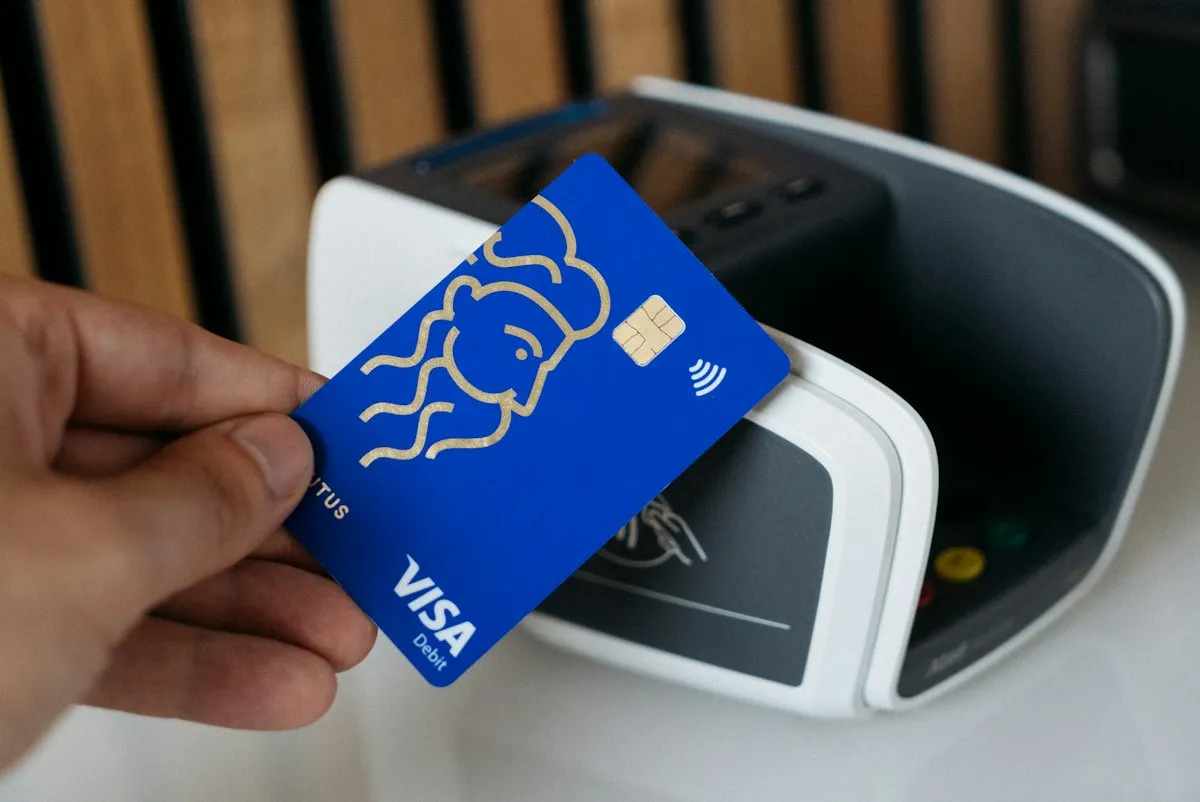
- Free Visa debit card
- Free cash withdrawals worldwide
- German-language app (limited English)
- Schufa check required
Traditional banks: experience varies by branch
Traditional banks with branches (Filialbanken) are locally operated, so the process can differ depending on the specific location and staff. Some expats report smooth experiences at their local branch; others report being asked for documents beyond the legal minimum.
- Sparkasse — Locally operated, so experience can vary by branch. Some branches ask for documents beyond what's legally required — know your rights (see the Basiskonto section above).
- Volksbank / Raiffeisenbank — Cooperative banks with local governance, so similar branch-by-branch variation can apply.
- Commerzbank — Processes tend to be more standardized across branches than at Sparkasse; processing times can vary. English-speaking staff are available in major cities.
- Deutsche Bank — Has an international client base, especially in Frankfurt. Basic accounts may come with fees.
- Postbank — Accessible (located in post offices); the process may involve more paperwork, and English support is limited.
Tip: If you need a branch bank (for example, to deposit cash regularly), try a branch in a neighborhood with a large international community. Staff there are more experienced with non-German documents and more likely to speak English.
For freelancers and business owners
Self-employed expats often have an even harder time. Many banks are reluctant to open accounts for freelancers without an established business history in Germany.
- Kontist — Business account marketed to freelancers, with tax-categorization features and an English interface
- Qonto — Business accounts marketed to freelancers and small companies, with English-language support
- Holvi — Finnish fintech used by freelancers in Germany (owned by BBVA)
- N26 Business — Freelancer account with automatic tax categorization
The Schufa Catch-22
Germany's credit system creates a frustrating loop for newcomers: you need a bank account to build a Schufa score, but some banks want a Schufa score to open an account.
Breaking the Schufa Catch-22
Options like N26 or Vivid Money don't require a Schufa check for their basic accounts, which is why they're commonly used as a first step. For a deeper dive into how Schufa works and how to build your score, read our guide to Germany's credit score system.
What to Do If You're Rejected
Being rejected for a bank account is frustrating — but you have options.
1. Ask for the reason in writing
Banks are required to explain why they rejected your application. If they refuse verbally, ask for a written explanation. This matters because it creates a paper trail if you need to escalate.
2. Apply for a Basiskonto specifically
If you were rejected for a regular current account, apply explicitly for a Basiskonto (basic payment account). Banks have very limited grounds to refuse this — essentially only if you already hold an account at another bank in Germany, or if you have been convicted of a crime related to misuse of that specific bank [3].
3. File a complaint with BaFin
If a bank refuses to open a Basiskonto and you believe the refusal is unjustified, you can file a complaint directly with BaFin (Bundesanstalt für Finanzdienstleistungsaufsicht). BaFin has the authority to order the bank to open the account [4].
4. Contact the Ombudsman
Most banking associations have an Ombudsmann (ombudsman) who mediates disputes between banks and customers — for free. The relevant ombudsmen are:
- BdB (private banks like Deutsche Bank, Commerzbank): bankenombudsmann.de [5]
- DSGV (Sparkassen): contact via your local Sparkasse
- BVR (Volksbanken/Raiffeisenbanken): bvr.de/ombudsmann
5. Consider legal advice
If you suspect discrimination — for example, if the bank accepted a colleague with the same documents but different nationality or appearance — you may have a case under the Allgemeines Gleichbehandlungsgesetz (General Equal Treatment Act, AGG). The Antidiskriminierungsstelle des Bundes (Federal Anti-Discrimination Agency) offers free initial advice [6].
Accounts You'll Eventually Want
A basic current account is your starting point, but as you settle in Germany, you'll likely want more:
Tips from the Trenches
The Bigger Picture
A bank account is the gateway to everything else in Germany: renting an apartment, building a Schufa score, getting insurance, investing, and eventually buying property. Getting this right in the first weeks saves months of frustration.
The system isn't always fair — and if you've been turned away from a bank branch for reasons that felt wrong, trust your instincts. Germany has strong consumer protection laws, and you have more rights than most bank employees will tell you.
Struggling with the German banking system? Our advisors help expats navigate account opening, build their Schufa score, and set up the right financial infrastructure — so you can focus on your life, not paperwork. Book a free consultation to get started.