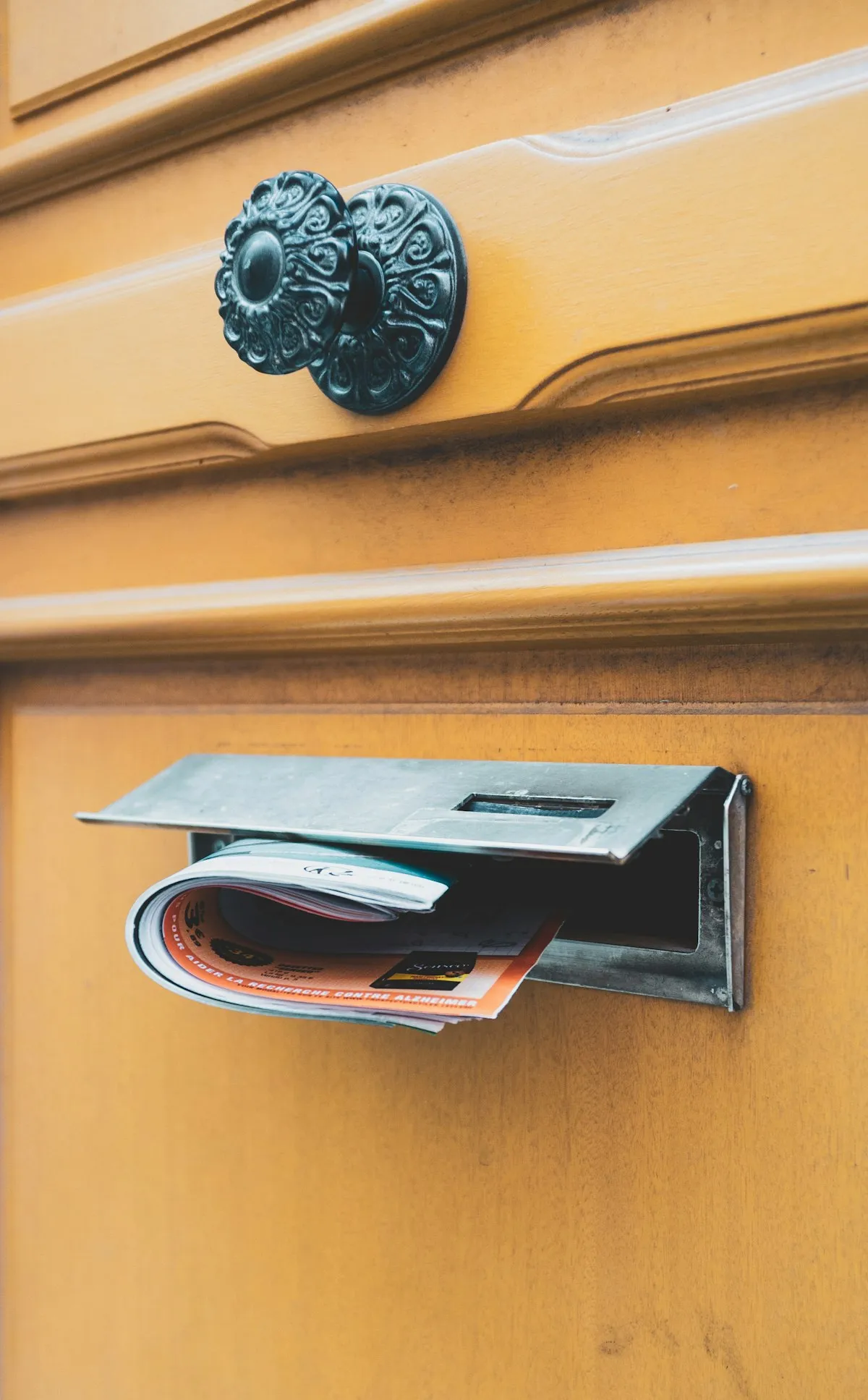
You've signed your rental contract, registered your address, set up your bank account, and started your job. You think you've got Germany figured out. Then the letters start arriving.
A bill for TV you don't watch. A charge for chimney sweeping you didn't request. A church tax deducted from your salary for a religion you may not even practice. Welcome to the hidden costs of living in Germany — the ones nobody mentions until you're already paying them.
Rundfunkbeitrag (the "GEZ"): Germany's Most Hated Bill
The Rundfunkbeitrag — still commonly called "GEZ" after the old collection agency (Gebühreneinzugszentrale) — is a mandatory broadcasting fee that every household in Germany must pay. Not every person — every household [1].
Rundfunkbeitrag at a Glance
Rate as of 2026. Paid per household, not per person.
Why do I have to pay this?
The Rundfunkbeitrag funds Germany's public broadcasters — ARD, ZDF, Deutschlandfunk, and their regional stations. It's not a tax in the legal sense, but it functions like one: you must pay it regardless of whether you own a TV, radio, or even a smartphone [2].
The logic: public broadcasting exists, it benefits society, therefore every household contributes. Germans themselves have debated this for years. As an expat, you won't win this argument — just set up the direct debit and move on.
What expats get wrong
Ignoring the letters — The Beitragsservice (the collection agency) will find you. They get your address automatically from the Einwohnermeldeamt when you register. Ignoring their letters doesn't make the bill go away — it creates debt plus late fees.
Thinking "I don't watch German TV" matters — It doesn't. The fee is not based on usage. Even if you've never turned on a German channel, you owe it.
Paying twice in a shared flat (WG) — Only one person per household needs to pay. If you move into a WG and your flatmate already pays, you just need to register your address under their existing account number. Contact the Beitragsservice to link your address [3].
Can I get an exemption?
In limited cases:
- Recipients of Bürgergeld, BAföG, or Asylbewerberleistungen — fully exempt
- People with certain disabilities (GdB 80+ with RF marker) — reduced to €6.12/month
- Deaf-blind individuals — fully exempt
Students on BAföG are exempt. Students not receiving BAföG still have to pay [4].
Kirchensteuer: The Church Tax Surprise
This one shocks most expats from non-European countries. If you're registered as a member of a recognized religious community in Germany — Catholic, Protestant (Evangelisch), or a few others — the government deducts a church tax directly from your salary [5].
Kirchensteuer Rates (2026)
That's 8–9% of your income tax, not your income. On a €60,000 salary, that's roughly €100–150/month.
How does this happen?
When you register your address at the Einwohnermeldeamt (registration office), one of the fields on the form asks for your religion (Religionszugehörigkeit). If you write "Catholic" or "Evangelisch," you're automatically enrolled in the church tax system. Your employer is then legally required to deduct it from your salary.
The expat trap
Many expats fill in their religion on the registration form without understanding the financial consequence. They think it's a census question — it's not. It's a tax trigger.
How to avoid it: If you don't want to pay church tax, leave the religion field empty or write "none" (keine) on the registration form.
How to stop it: If you're already paying, you need to formally leave the church (Kirchenaustritt). This is done at the Amtsgericht (local court) or Standesamt (civil registry), depending on your state. There's usually a fee of €25–35. The tax stops from the following month [6].
Important: Leaving the church in Germany is a civil-legal process, not a religious one. It doesn't affect your faith or your membership in a church in your home country — it only stops the German tax.
Grundsteuer: The Property Tax (That Renters Pay Too)
If you own property in Germany, you'll pay Grundsteuer (property tax). But here's the part that surprises many expats: even as a renter, you're usually paying it — it's passed through to you as part of your Nebenkosten (utility/ancillary costs) [7].
How Grundsteuer Affects You
Germany reformed its Grundsteuer system in 2025. Many property owners saw significant changes in their bills, and actual amounts vary significantly by municipality and property value post-reform.
As a renter, you can't avoid this — but you should check your annual Nebenkostenabrechnung (utility bill settlement) to make sure the amount is reasonable. Landlords must break down costs transparently.
Nebenkosten: The "Second Rent"
Speaking of Nebenkosten — Germans call them the zweite Miete (second rent) for good reason. When you see a rental listing at "€800 warm" or "€650 kalt," the difference is the Nebenkosten.
What's Typically Included in Nebenkosten
Monthly estimates for a 70m² apartment. Electricity and internet are almost always separate — you contract these yourself.
What's NOT included (but you'll still pay)
These costs are on top of your rent and Nebenkosten:
- Electricity (Strom) — you choose your own provider, typically €40–80/month
- Internet — €25–50/month depending on speed and provider
- Rundfunkbeitrag — the €18.36/month broadcasting fee discussed above
- Haftpflichtversicherung — liability insurance (not mandatory, but you really need it — more on this below)
- Hausratversicherung — household contents insurance, €5–15/month
Schornsteinfeger: Yes, the Chimney Sweep Is Mandatory
In most countries, chimney sweeps are a relic of the Victorian era. In Germany, the Schornsteinfeger (chimney sweep) is a legally required service. If your building has any form of combustion heating (gas, oil, wood), a certified chimney sweep must inspect it regularly [8].
You don't choose your chimney sweep — each district has an assigned bevollmächtigter Bezirksschornsteinfeger (authorized district chimney sweep) who has a monopoly on safety inspections in your area. They will contact you or your landlord.
As a renter, this cost appears in your Nebenkosten. As a homeowner, you'll receive a letter and a bill — typically €50–100 per visit, 1–2 times per year. Ignoring it can result in fines or, in extreme cases, your heating system being shut down.
Hausgeld: The Hidden Cost of Owning an Apartment
If you buy an apartment (Eigentumswohnung) rather than a house, you'll pay Hausgeld — a monthly fee to the homeowners' association (Wohnungseigentümergemeinschaft, or WEG) that covers shared building expenses [9].
Typical Hausgeld Breakdown
For a 70–90m² apartment. Older buildings with elevators or swimming pools can be significantly higher.
Many expats buying their first apartment in Germany budget for the mortgage payment but forget the Hausgeld. A €350/month Hausgeld on top of a €1,200 mortgage payment changes the calculation significantly. Check the Hausgeld before making an offer — it's listed in the Teilungserklärung and the minutes of recent WEG meetings.
Haftpflichtversicherung: Not Mandatory, But Don't Skip It
Privathaftpflichtversicherung (personal liability insurance) isn't legally required — but it's considered absolutely essential in Germany. Here's why: under German law, you are personally liable for any damage you cause to others — with your entire personal assets and no upper limit [10].
Knock over someone's laptop? You pay. Your kid breaks a neighbor's window? You pay. Water damage from your washing machine floods the apartment below? That could be €10,000+ — and you pay.
Haftpflichtversicherung: The Best Deal in Germany
Given the low cost relative to the risk of unlimited personal liability, many people in Germany carry this coverage.
Providers offering this coverage include Haftpflichtkasse, HUK-COBURG, and CosmosDirekt, among others. Online comparison portals such as Check24 and Verivox let you compare options and sign up.
The Full Picture: What Germany Actually Costs
Here's what your monthly cost structure looks like once all the "hidden" bills are accounted for — beyond just rent and groceries:
Monthly Bills Beyond Rent & Food
Typical costs for a single employed expat in a German city
Health insurance is deducted from salary. Church tax is avoidable. Everything else hits your bank account directly.
A Few More Surprises
Kurtaxe (Tourist Tax)
If you travel within Germany, many tourist destinations charge a daily Kurtaxe of €1–4 per person per night. Your hotel or Airbnb host collects it. Not a huge amount, but it catches expats off guard when it appears on the bill.
Zweitwohnungssteuer (Second Home Tax)
If you maintain a registered address in two German cities — common for expats with a weekend apartment or those who haven't deregistered a previous address — you may owe Zweitwohnungssteuer. Rates vary by city (2026): Munich charges 9% of annual rent, Hamburg 8% [11]. Deregister your old address promptly to avoid this.
Pfand (Bottle Deposit)
Not a bill, but a cost that confuses every newcomer: most bottles and cans in Germany carry a Pfand (deposit) of €0.08–0.25. You get it back when you return the container to a supermarket machine. It's not a hidden cost if you return them — but those unreturned bottles add up faster than you'd think.
Kontoführungsgebühren (Bank Account Fees)
Many traditional German banks charge monthly account fees of €3–10. Online banks (N26, ING, DKB) are often free, but may require a minimum monthly salary deposit. Read the fine print — we cover this in detail in our guide to opening a bank account in Germany.
How to Stay on Top of It All
The Honest Summary
Germany isn't an expensive country by accident — much of the cost goes toward infrastructure, social safety nets, and public services that genuinely work. The problem isn't the bills themselves; it's that nobody explains them upfront.
The total "surprise cost" for an average expat household runs between €400–800/month beyond rent and food. Knowing about these costs before you build your budget prevents the uncomfortable moment when your savings aren't growing as fast as you expected.
Want to get a clear picture of your total costs in Germany? Our advisors help expats build realistic financial plans that account for every bill — not just the obvious ones. Book a free consultation to make sure nothing falls through the cracks.
Sources
- Rundfunkbeitrag — official information portal
- Rundfunkbeitrag — legal basis (Rundfunkbeitragsstaatsvertrag)
- Rundfunkbeitrag — forms for registration, exemption, and shared flats
- Rundfunkbeitrag — exemption and reduction conditions
- EKD — Church tax information (Evangelische Kirche)
- Kirchenaustritt.de — how to leave the church in Germany
- Deutscher Mieterbund — Betriebskosten (utility cost rules for tenants)
- Schornsteinfeger.de — chimney sweep regulations (Bundesrecht)
- Hausgeld — what apartment owners pay and why
- §823 BGB — liability for damages under German civil law
- City of Munich — Zweitwohnungssteuer (second home tax)