If your savings are sitting in a German bank account earning 0–2% interest, inflation is slowly eating them. The good news: you don't need to become a stock market expert to do something about it. ETFs are the most popular way Germans build long-term wealth — and they're just as accessible to expats.
What Is an ETF?
An ETF (Exchange-Traded Fund) is a fund that tracks an index — like the S&P 500 or the MSCI World. Instead of picking individual stocks, you buy a small piece of hundreds or thousands of companies at once.
Think of it like this: instead of betting on one horse, you're betting on the entire race.
Why ETFs?
- Diversification — One ETF can contain over 1,500 companies across dozens of countries
- Low fees — Typical ETF costs are 0.1–0.5% per year, compared to 1.5–2% for actively managed funds
- Simplicity — You don't need to pick stocks or time the market
- Flexibility — Buy and sell anytime during market hours, or set up an automatic monthly plan
How the Process Generally Works
Opening a Depot (Brokerage Account)
In Germany, buying ETFs requires a Depot (securities account). A few options exist for expats:
- Trade Republic — A mobile-first neobroker
- Scalable Capital — A mobile broker with a flat-rate trading option
- ING — A traditional retail bank offering ETF savings plans
- Consorsbank — A traditional retail bank with a broad ETF selection
Most of these allow opening an account online with a passport and a German address, and the process usually takes 1–3 days. Fee structures and platform interfaces (including English-language support) vary between mobile-first brokers and traditional banks, so it's worth comparing current offers directly.
Choosing an ETF
A single globally diversified ETF is often sufficient to cover a broad range of markets. Common examples include:
- MSCI World — ~1,500 companies from 23 developed countries
- FTSE All-World — ~4,000 companies including emerging markets
- MSCI ACWI — Similar to FTSE All-World, slightly different composition
Several criteria are commonly used to compare ETFs:
- Accumulating (thesaurierend) — Dividends are automatically reinvested, rather than paid out
- Physically replicating — The fund actually buys the underlying stocks, rather than replicating the index synthetically via derivatives
- Fund size — A larger fund (often cited as a threshold of €500 million or more) is generally considered less likely to be closed or merged by the provider
Setting Up a Sparplan (Savings Plan)
A Sparplan is an automatic monthly investment plan. An amount is chosen (starting from €25/month at most brokers), and the broker buys ETF shares on a fixed date each month.
This mechanism is called euro-cost averaging — buying more shares when prices are low and fewer when prices are high, which smooths out market volatility over time compared to investing a lump sum at a single point.
Tax Considerations for Expats
Germany taxes investment gains. Here's what you need to know:
- Sparerpauschbetrag — €1,000/year of capital gains is tax-free (€2,000 for married couples) (as of 2026). A Freistellungsauftrag filed with the broker applies this allowance automatically.
- Vorabpauschale — Germany taxes a small notional gain on accumulating funds each year, even without a sale
- Abgeltungssteuer — When shares are sold, profits are taxed at ~26.4% (2026) (25% + solidarity surcharge + possibly church tax)
- Double taxation treaties — If the home country also taxes investments, a treaty may determine whether and how double taxation is avoided
Relevant for US Citizens
US citizens and green card holders investing in non-US ETFs (like those listed on German exchanges) can face tax complications due to PFIC rules, which is an area where a tax advisor who understands both US and German tax law is often consulted.
Common Beginner Mistakes
- Waiting for the "right time" — Predicting short-term market movements is notoriously difficult, which is part of why "time in the market" is frequently discussed alongside "timing the market."
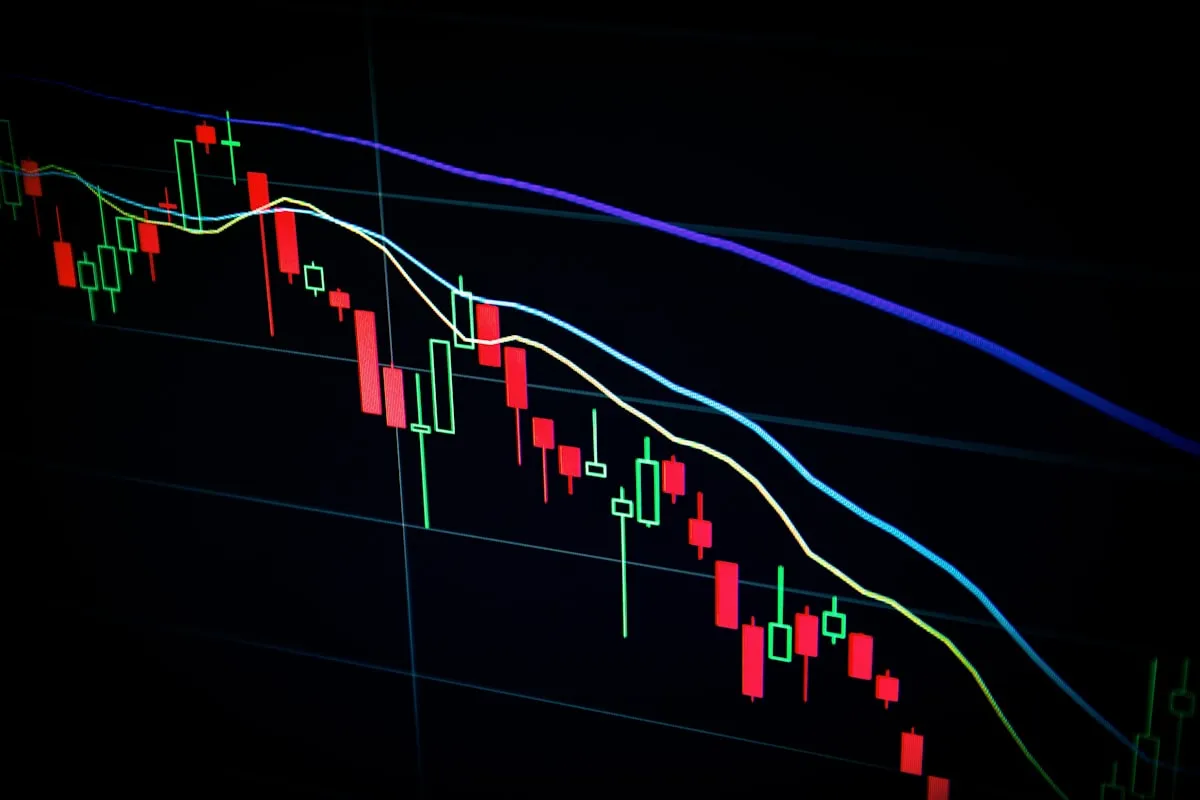
- Checking a portfolio daily — ETF investing is generally framed as a long-term approach. Markets go up and down over shorter periods — that's normal.
- Picking too many ETFs — One or two globally diversified ETFs cover most diversification needs; additional complexity doesn't necessarily improve returns.
- Forgetting the Freistellungsauftrag — Without this filed with the broker, tax is withheld on gains that could otherwise have stayed within the tax-free allowance.
- Reacting to market drops — Historically, global markets have recovered from past downturns over long time horizons, though past performance does not guarantee future results.
How Much Should You Invest?
There's no magic number. A common principle:
Invest only money that isn't needed within the next 10 years.
Many investors start with a smaller amount and scale up over time — even €50 or €100/month adds up significantly over a decade thanks to compound returns.
The Bottom Line
ETF investing in Germany is straightforward, tax-efficient, and accessible to anyone with a German bank account. You don't need a financial background or a large amount of capital. What you need is a long time horizon and the discipline to keep going — even when markets are bumpy.
Questions about how ETF investing fits alongside insurance or retirement planning? Our advisors can talk through how it connects to the rest of your financial picture — for the investment decisions themselves, a licensed investment advisor or tax advisor is the right point of contact.